Introduction
Foam rolling, also known as self-myofascial release, has gained popularity in recent years as an effective technique for improving flexibility, reducing muscle tension, and enhancing overall mobility. Whether you’re an athlete, fitness enthusiast, or simply looking to alleviate muscle soreness, this blog post will guide you through the basics of foam rolling, explaining what it is, its benefits, and how to incorporate it into your routine.
What is Foam Rolling?
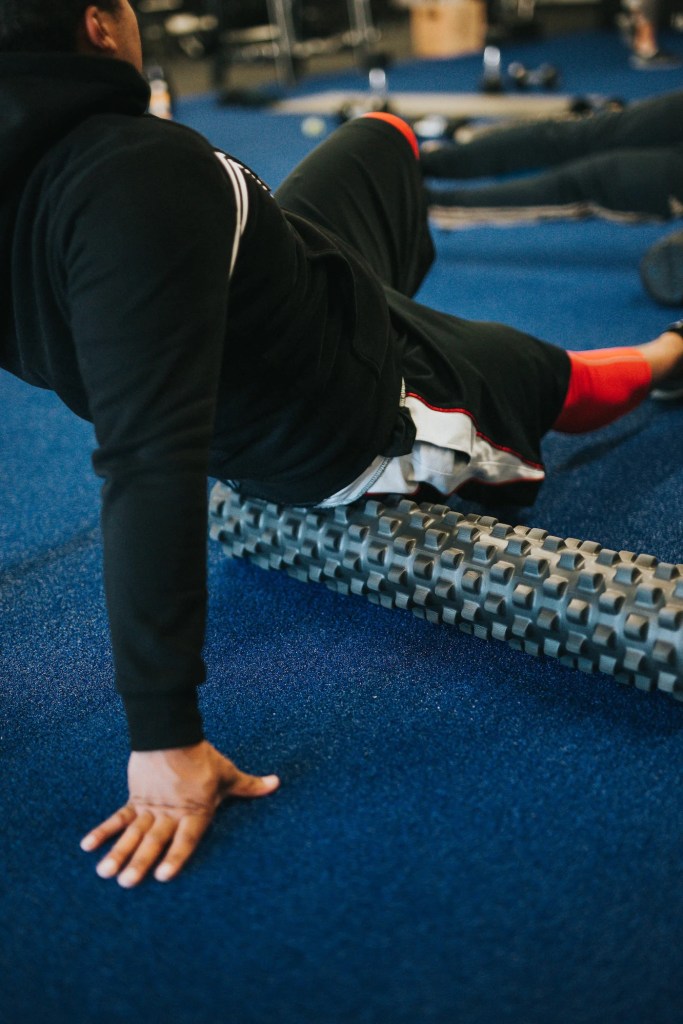
Foam rolling is a form of self-massage that involves using a cylindrical foam roller to apply pressure to specific muscle groups. The goal is to release muscle knots, trigger points, and adhesions in the fascia, the connective tissue surrounding muscles. By doing so, you can improve circulation, increase flexibility, and reduce muscle soreness.
Benefits of Foam Rolling
- Reduced Muscle Soreness: Foam rolling helps alleviate post-exercise muscle soreness by breaking up lactic acid and increasing blood flow to the muscles.
- Improved Flexibility: Regular foam rolling can enhance joint range of motion and flexibility, making it easier to perform exercises and maintain proper form.
- Enhanced Recovery: Incorporating foam rolling into your post-workout routine can aid in muscle recovery, helping you bounce back faster from intense exercise.
- Better Muscle Function: By releasing tight muscles and fascia, foam rolling can improve muscle function, allowing for more efficient movement patterns.
- Injury Prevention: Addressing muscular imbalances and trigger points through foam rolling can help reduce the risk of injury during physical activity.
How to Foam Roll
- Select the Right Foam Roller: Choose a foam roller that suits your needs. For beginners, a softer foam roller may be more comfortable, while experienced users may opt for a denser, firmer roller.
- Begin Gradually: If you’re new to foam rolling, start with gentle pressure and shorter sessions. As you become more accustomed, you can gradually increase pressure and duration.
- Focus on Specific Muscle Groups: Target areas that feel tight or sore. Common muscle groups to foam roll include the quadriceps, hamstrings, calves, glutes, upper back, and IT band.
- Roll Slowly and Mindfully: Roll back and forth over the targeted area, moving slowly and deliberately. When you find a tender spot (trigger point), pause and apply sustained pressure for about 20-30 seconds until you feel the tension release.
- Maintain Proper Form: Keep your core engaged to support your spine, and use your body weight to control the pressure. Avoid rolling directly over joints or bones.
- Breathe and Relax: Focus on deep, controlled breathing to help relax the muscles you’re working on.
- Post-Rolling Stretching: After foam rolling, it’s a good idea to perform stretching exercises to maximize the benefits and maintain muscle length.
Conclusion
Foam rolling is a valuable self-care technique that can enhance your physical performance, reduce muscle tension, and promote overall well-being. By incorporating foam rolling into your fitness routine, you can take proactive steps toward better mobility, faster recovery, and injury prevention. Remember to listen to your body, start slowly, and consult with a healthcare professional if you have any underlying medical conditions or concerns before beginning a foam rolling practice.
 Health N’ More
Leave a comment