Introduction:
In the fast-paced world we live in, meditation offers a precious opportunity to pause, center ourselves, and find inner calm. This beginner’s guide to meditation will walk you through the basics, helping you embark on a journey of self-discovery and mindfulness.
1. Choose a Comfortable Space:
Find a quiet and comfortable place where you won’t be easily disturbed. It can be a corner of your home, a park, or any serene location that allows you to relax.
2. Set a Time:
Select a convenient time for your meditation practice. Whether it’s in the morning to start your day with clarity or in the evening to unwind, consistency is key.
3. Posture Matters:
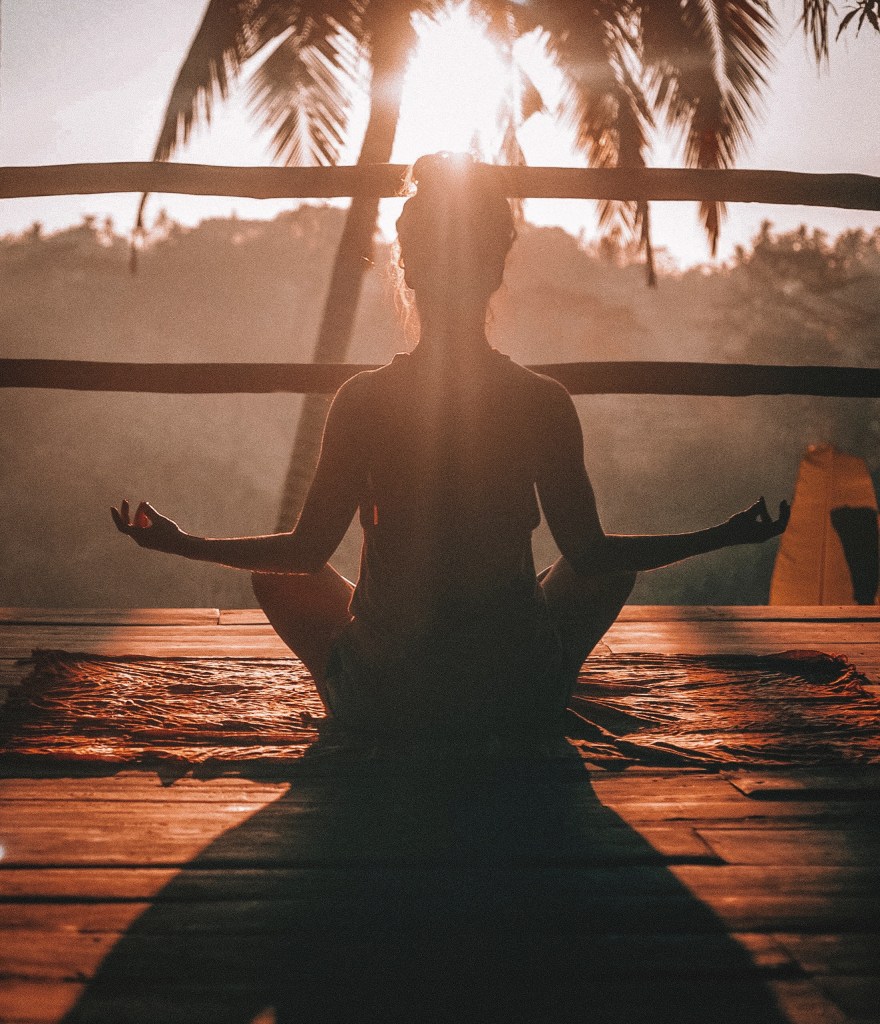
Sit or lie down comfortably. You can use a cushion or chair for support. Keep your back straight but not rigid, and your hands resting gently on your lap or knees.
4. Focus on Breath:
Close your eyes and take a few deep breaths. Pay attention to the natural rhythm of your breath. Observe how it feels as it enters and exits your body.
5. Choose a Meditation Technique:
There are various meditation techniques to choose from. Here are two simple ones to start with:
- Mindfulness Meditation: Focus on your breath or a specific sensation (like the rise and fall of your abdomen as you breathe). When your mind wanders, gently bring your focus back to your chosen point of attention.
- Guided Meditation: Use guided meditation apps or recordings. These provide step-by-step instructions and are excellent for beginners.
6. Be Patient with Your Thoughts:
It’s natural for your mind to wander during meditation. When thoughts arise, acknowledge them without judgment and gently return your focus to your breath or chosen point of attention.
7. Start with Short Sessions:
Begin with just 5-10 minutes of meditation per day and gradually increase the duration as you become more comfortable with the practice.
8. Practice Regularly:
Consistency is essential for meditation’s benefits to unfold. Aim to meditate daily, even if it’s for a short duration.
9. Let Go of Expectations:
Avoid placing expectations on your meditation experience. There’s no right or wrong way to meditate, and each session can be different.
10. Embrace Mindfulness in Daily Life:
Meditation is not limited to your practice sessions. Bring mindfulness into your daily activities, such as eating, walking, and interacting with others.
11. Seek Guidance:
Consider joining a meditation group or seeking guidance from experienced meditators or meditation apps.
12. Be Kind to Yourself:
Remember that meditation is a journey. Be patient and compassionate with yourself as you explore this practice.
Conclusion:
Meditation is a powerful tool for reducing stress, improving focus, and fostering a sense of inner peace. As a beginner, start with simplicity and gradually build your practice. Over time, you’ll discover the profound benefits of meditation as it becomes an integral part of your daily life.
 Health N’ More
Leave a comment