Introduction:
Deadlifting is a powerful compound exercise that engages multiple muscle groups, making it an excellent choice for building strength and functional fitness. However, proper form and technique are essential to ensure safety and maximize benefits. In this beginner’s guide, we’ll walk you through the steps to perform a deadlift correctly.
Step 1: Warm-Up
Before you start deadlifting, warm up with 5-10 minutes of light cardio and perform dynamic stretches to prepare your muscles for the exercise.
Step 2: Choose the Right Equipment
Select an appropriate barbell or dumbbells with the weight that suits your fitness level. A standard Olympic barbell is commonly used for deadlifting.
Step 3: Stand Properly
Stand with your feet hip-width apart, toes pointing forward, and the barbell centered over the middle of your feet. The barbell should be close to your shins.
Step 4: Grip the Bar
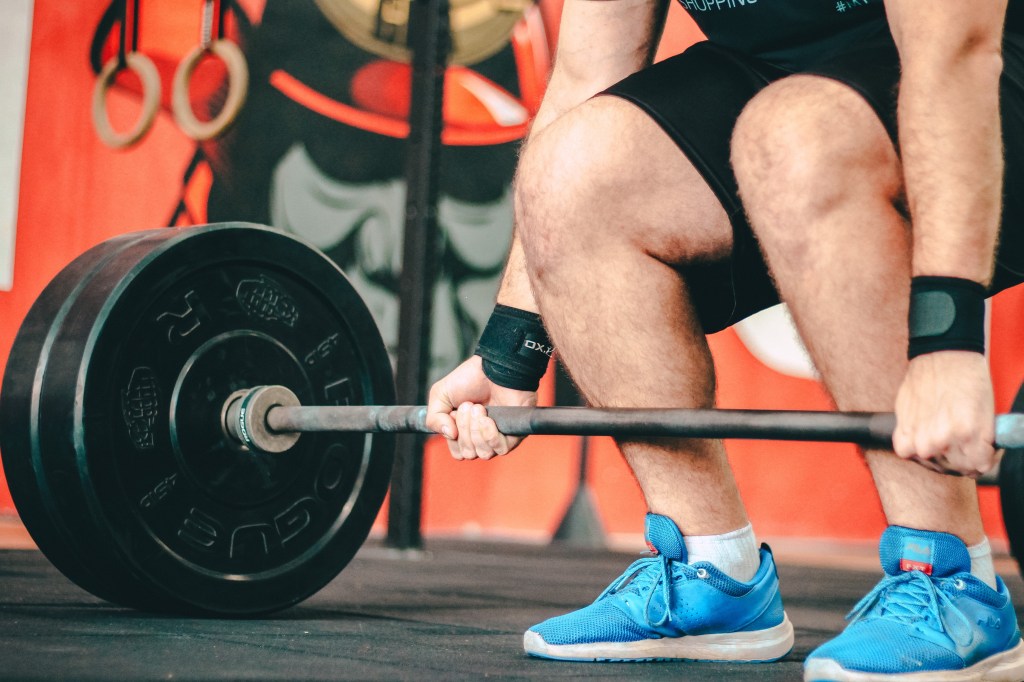
Bend at your hips and knees to lower your body and grasp the barbell with both hands, using either an overhand (pronated) grip or a mixed grip (one palm facing you, the other facing away). Your grip should be slightly wider than shoulder-width.
Step 5: Set Your Back
Engage your core and pull your shoulder blades back and down to set your back in a neutral position. This helps maintain a straight spine throughout the lift.
Step 6: Lift the Barbell
Begin to lift the barbell by straightening your hips and knees simultaneously. Keep the barbell close to your body as you lift it.
Step 7: Maintain Good Form
Throughout the lift, your back should remain straight, and your chest should be up. Your weight should be evenly distributed across your feet.
Step 8: Stand Tall
Stand up fully with your hips and knees extended and your shoulders back. Ensure you are not leaning back excessively or hyperextending your lower back.
Step 9: Lower the Barbell
To lower the barbell, push your hips back and bend your knees while keeping it close to your body. Maintain control as you return it to the floor.
Step 10: Repeat and Breathe
Perform the desired number of repetitions. Breathe in as you lower the bar and exhale as you lift it, maintaining proper core engagement.
Tips for Beginners:
- Start with light weights to practice proper form.
- Focus on maintaining a neutral spine to prevent lower back injuries.
- Keep the barbell close to your shins throughout the lift.
- If you’re unsure about your form, consider working with a qualified trainer to provide guidance and feedback.
Benefits of Deadlifting:
- Strengthens the lower back, glutes, hamstrings, and core.
- Improves grip strength and posture.
- Increases overall muscle mass and functional strength.
- Enhances bone density.
Conclusion:
Deadlifting is a highly effective exercise when performed with proper form and technique. Incorporate it into your strength training routine to build muscle, increase strength, and improve functional fitness. As a beginner, focus on mastering the basics before gradually increasing the weight. With patience and consistency, deadlifting can become a cornerstone of your fitness journey.
 Health N’ More
Leave a comment