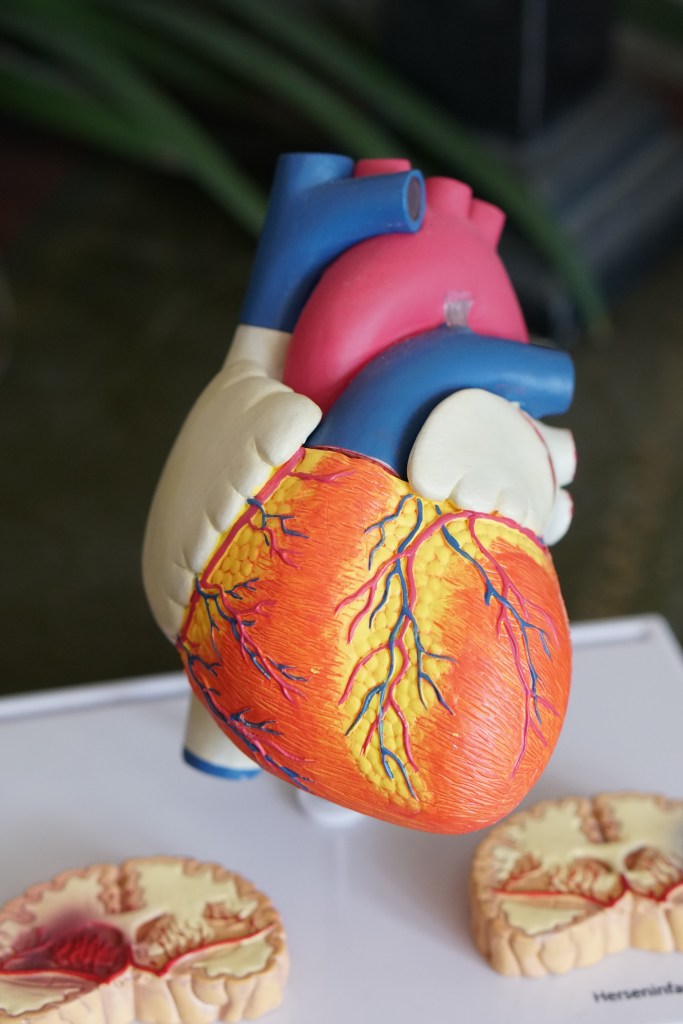
Introduction:
Your heart is the silent hero, tirelessly pumping blood and oxygen throughout your body, ensuring every cell gets what it needs to function. Maintaining heart health is essential for overall well-being. In this blog post, we’ll explore the importance of heart health, discuss key factors that impact it, and provide practical tips to keep your heart in peak condition.
Why Heart Health Matters
The heart is a remarkable organ that performs a vital role in maintaining your health. Here’s why heart health is so crucial:
1. Lifeline of Your Body: The heart pumps oxygen-rich blood to every cell, providing them with the nutrients they need to function correctly. Without a healthy heart, your body can’t thrive.
2. Energy and Vitality: A strong, efficient heart ensures that your body gets enough oxygen and nutrients, which translates into energy, vitality, and overall well-being.
3. Disease Prevention: Good heart health significantly lowers the risk of heart disease, the leading cause of death worldwide. A healthy heart also reduces the risk of other chronic conditions like stroke, diabetes, and high blood pressure.
4. Longevity: Taking care of your heart can lead to a longer, healthier life. A well-maintained heart can better withstand the effects of aging and external stressors.
Factors That Impact Heart Health
Several factors influence heart health. Understanding and managing these factors are essential for promoting a healthy heart:
1. Diet: A balanced diet rich in fruits, vegetables, whole grains, lean proteins, and healthy fats can help maintain healthy cholesterol levels and blood pressure.
2. Physical Activity: Regular exercise strengthens the heart muscle, improves blood circulation, and helps manage weight, reducing the risk of heart disease.
3. Blood Pressure: High blood pressure (hypertension) strains the heart and arteries, increasing the risk of heart disease. Regular monitoring and management are vital.
4. Cholesterol Levels: Elevated levels of LDL (low-density lipoprotein) cholesterol can lead to plaque buildup in the arteries, increasing the risk of heart disease. Maintaining healthy cholesterol levels is essential.
5. Smoking: Smoking is a major risk factor for heart disease. Quitting smoking can significantly improve heart health.
6. Diabetes: Uncontrolled diabetes can damage blood vessels and nerves, increasing the risk of heart disease. Managing blood sugar levels is crucial.
7. Stress: Chronic stress can contribute to heart disease. Practicing stress-reduction techniques like meditation, yoga, and mindfulness can help.
8. Genetics and Family History: Some heart conditions have a genetic component. Knowing your family history can help you understand your risk factors.
Tips for Promoting Heart Health
- Healthy Diet: Eat a diet rich in fruits, vegetables, whole grains, lean proteins, and healthy fats. Limit saturated and trans fats, sodium, and added sugars.
- Regular Exercise: Aim for at least 150 minutes of moderate-intensity aerobic activity or 75 minutes of vigorous-intensity activity per week, combined with muscle-strengthening activities.
- Maintain a Healthy Weight: Achieving and maintaining a healthy weight reduces the risk of heart disease.
- Regular Check-Ups: Schedule regular check-ups with your healthcare provider to monitor blood pressure, cholesterol levels, and other heart health indicators.
- Quit Smoking: If you smoke, seek help to quit. It’s one of the most significant steps you can take for your heart health.
- Manage Stress: Practice stress-reduction techniques like meditation, deep breathing, or hobbies you enjoy.
- Limit Alcohol: If you drink alcohol, do so in moderation. Excessive alcohol consumption can harm the heart.
Conclusion:
Your heart is the lifeline of your body, and taking care of it is a fundamental aspect of overall health and longevity. By adopting a heart-healthy lifestyle, managing risk factors, and making informed choices, you can nurture your heart and enjoy a longer, healthier life. Remember, it’s never too late to start prioritizing your heart health, and every positive change you make is a step toward a stronger, happier heart.
 Health N’ More
Leave a comment