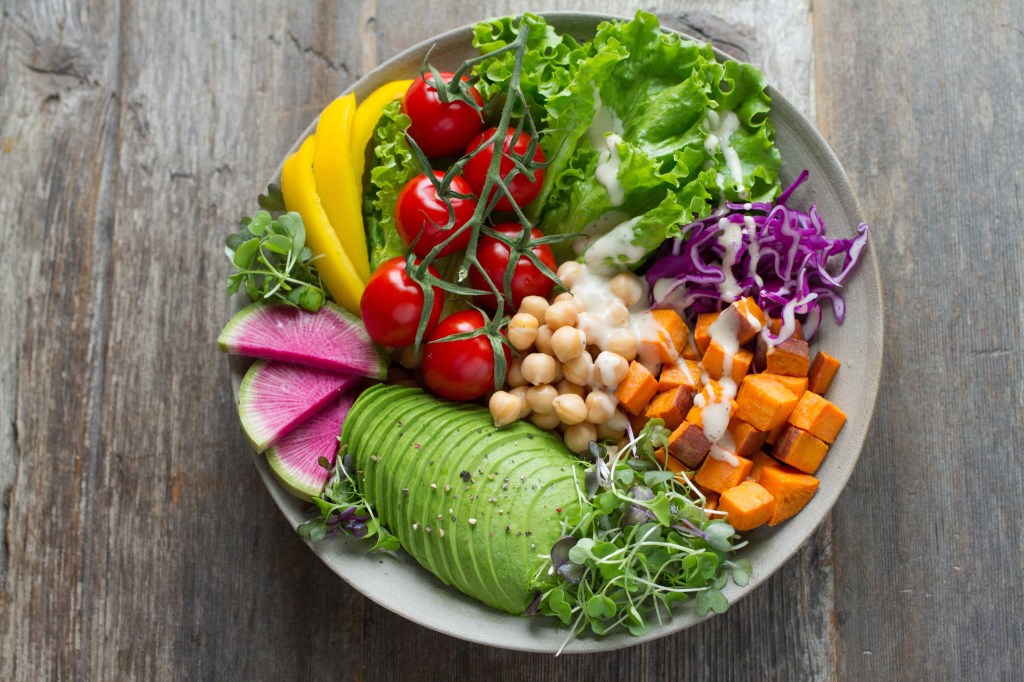
Introduction:
The vegetarian diet has gained popularity for its numerous health benefits, ethical considerations, and environmental impact. Whether you’re a lifelong vegetarian, a curious omnivore, or simply looking to incorporate more plant-based meals into your diet, this comprehensive overview will provide valuable insights into the world of vegetarianism.
What Is a Vegetarian Diet?
A vegetarian diet is characterized by the exclusion of meat and, in some cases, other animal products. While there are various types of vegetarianism, the common thread is an emphasis on plant-based foods. Here are the primary types of vegetarian diets:
- Lacto-Ovo Vegetarian: Excludes meat, fish, and poultry but includes dairy products and eggs.
- Lacto-Vegetarian: Excludes meat, fish, poultry, and eggs but includes dairy products.
- Ovo-Vegetarian: Excludes meat, fish, poultry, and dairy products but includes eggs.
- Vegan: Excludes all animal products, including meat, fish, poultry, dairy, eggs, and even honey.
Benefits of a Vegetarian Diet:
- Improved Heart Health: Vegetarian diets are associated with lower risks of heart disease, hypertension, and high cholesterol levels.
- Weight Management: Many people find it easier to maintain a healthy weight on a vegetarian diet due to lower calorie density and higher fiber content in plant-based foods.
- Reduced Risk of Chronic Diseases: Vegetarian diets may lower the risk of certain chronic diseases, including type 2 diabetes and some cancers.
- Ethical and Environmental Considerations: Choosing a vegetarian diet aligns with animal welfare and sustainability principles, as it typically has a lower environmental impact.
Key Nutrients in a Vegetarian Diet:
- Protein: Ensure an adequate intake of plant-based protein sources such as legumes, tofu, tempeh, quinoa, and nuts.
- Iron: Incorporate iron-rich foods like beans, lentils, fortified cereals, and leafy greens. Pair them with vitamin C-rich foods to enhance iron absorption.
- Calcium: Include dairy alternatives (if not vegan), fortified plant-based milk, leafy greens, and tofu in your diet for calcium.
- Vitamin B12: Consider B12-fortified foods or supplements, as this vitamin is primarily found in animal products.
- Omega-3 Fatty Acids: Include flaxseeds, chia seeds, walnuts, and algae-based supplements to ensure adequate omega-3 intake.
Tips for a Balanced Vegetarian Diet:
- Variety is Key: Consume a wide range of fruits, vegetables, grains, legumes, nuts, and seeds to ensure a balanced intake of nutrients.
- Plan Meals: Plan well-balanced meals that include protein, fiber, and essential vitamins and minerals.
- Read Labels: Check labels for hidden animal-derived ingredients in processed foods.
- Supplement Wisely: If necessary, consider supplements for nutrients that may be lacking in your diet, such as B12 and vitamin D.
Conclusion:
The vegetarian diet offers a wealth of benefits for health-conscious individuals, animal lovers, and environmentally conscious eaters. Whether you’re considering a fully plant-based lifestyle or simply incorporating more meatless meals into your diet, a well-planned vegetarian diet can provide all the essential nutrients your body needs for optimal health. By making thoughtful food choices and ensuring a diverse range of plant-based foods, you can savor the many advantages of this rewarding and compassionate way of eating.
 Health N’ More
Leave a comment