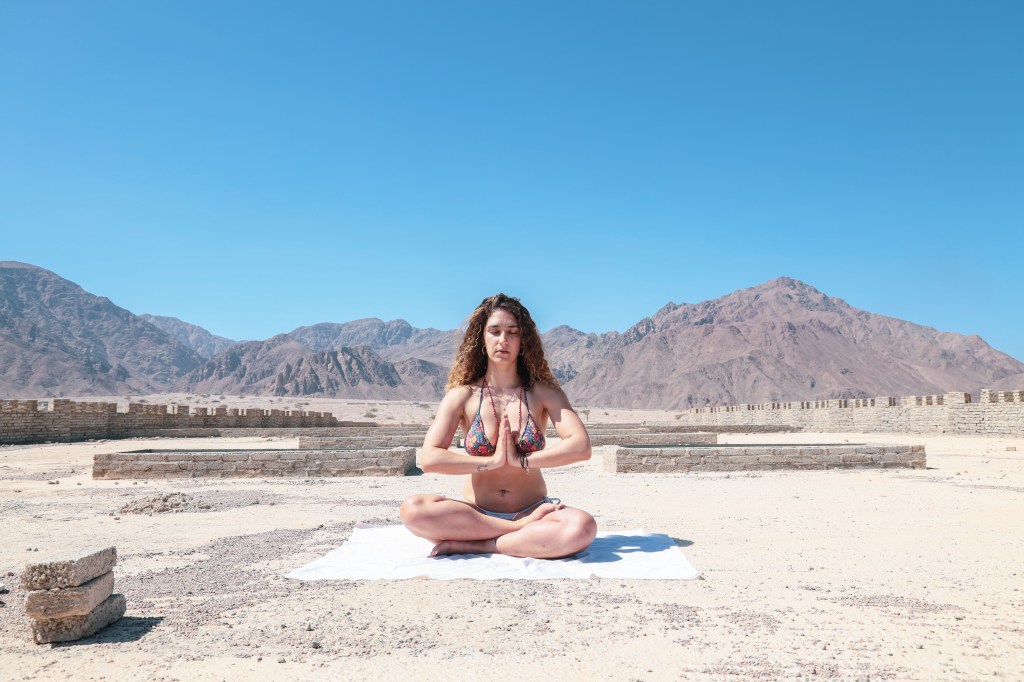
In our fast-paced, often chaotic world, it’s no wonder that meditation has gained immense popularity as a powerful tool for achieving inner peace, reducing stress, and enhancing overall well-being. If you’re new to meditation or looking to deepen your practice, this blog post will guide you through some of the best meditation practices to help you find tranquility in the midst of life’s demands.
Understanding Meditation
Meditation is a mental practice that encourages mindfulness, relaxation, and self-awareness. Its benefits are numerous, from reducing anxiety and improving focus to promoting emotional balance. Here are some of the most effective meditation practices to consider:
1. Mindfulness Meditation:
Mindfulness meditation is perhaps the most well-known and widely practiced form of meditation. It involves paying attention to the present moment without judgment. To practice mindfulness meditation:
- Find a quiet space where you won’t be disturbed.
- Sit or lie down in a comfortable position.
- Focus your attention on your breath, sensations in your body, or any chosen point of focus.
- When your mind wanders, gently bring your attention back to your chosen point.
2. Loving-Kindness Meditation (Metta):
Loving-kindness meditation cultivates feelings of love and compassion for yourself and others. To practice Metta:
- Find a quiet space and sit comfortably.
- Repeat positive phrases, such as “May I (or others) be happy, healthy, safe, and at ease.”
- Visualize sending these wishes to yourself, loved ones, acquaintances, and even those you may have conflicts with.
3. Body Scan Meditation:
Body scan meditation is all about awareness of physical sensations throughout your body. It’s an excellent practice for relaxation. To try a body scan:
- Lie down in a quiet place.
- Start at your toes and mentally scan through each part of your body, paying attention to any tension or sensations.
- Breathe into any areas of discomfort and let go of tension.
4. Transcendental Meditation:
Transcendental meditation is a specific technique that involves silently repeating a mantra. It aims to reach a state of restful awareness. To practice TM:
- Sit comfortably with your eyes closed.
- Repeatedly say a specific mantra (given to you by a teacher) silently.
- Let your mind naturally settle into a state of restful alertness.
5. Guided Meditation:
Guided meditations are led by an instructor or through recorded audio. They can focus on a variety of themes, from relaxation and stress reduction to personal growth and self-improvement.
6. Movement-Based Meditation:
For those who find it challenging to sit still, movement-based practices like yoga and tai chi can serve as forms of active meditation, promoting physical and mental balance.
Conclusion
The best meditation practice is the one that resonates with you and fits into your lifestyle. Remember, meditation is a skill that develops with time and patience. Whether you choose mindfulness, loving-kindness, body scan, or another form of meditation, the key is to cultivate a regular practice and embrace it as a journey toward greater inner peace and self-discovery.
 Health N’ More
Leave a comment