The ketogenic diet, or keto for short, is a popular eating plan known for its potential to promote weight loss, enhance energy levels, and improve mental clarity. If you’re new to keto and looking for a simple way to get started, this blog post provides a beginner’s meal plan to help you on your journey to low-carb living.
The keto diet is characterized by a significant reduction in carbohydrates and an increase in healthy fats, with a moderate intake of protein. The aim is to shift your body into a state of ketosis, where it burns fat for energy instead of carbohydrates.
Keto Macros
To follow a keto meal plan, it’s essential to understand the macronutrient ratios:
- Carbohydrates: Typically limited to around 5-10% of daily calories.
- Proteins: Make up about 20-25% of daily calories.
- Fats: The majority of daily calories, around 70-75%.
Now, let’s delve into a sample beginner’s keto meal plan for a day:
Breakfast:
- Keto Omelette: Whisk together eggs, spinach, mushrooms, and a sprinkle of cheese. Cook in a pan with olive oil or butter.
- Avocado Slices: A perfect source of healthy fats.
- Coffee or Tea: Black or with a splash of heavy cream if you prefer.
Lunch:
- Grilled Chicken Salad: A bed of leafy greens topped with grilled chicken, cherry tomatoes, cucumber, and a dressing made from olive oil and vinegar.
- Snack: A handful of almonds or macadamia nuts for added healthy fats.
Snack:
- Keto-Friendly Yogurt: Opt for Greek yogurt with no added sugar and a few berries or a drizzle of honey if desired.
Dinner:
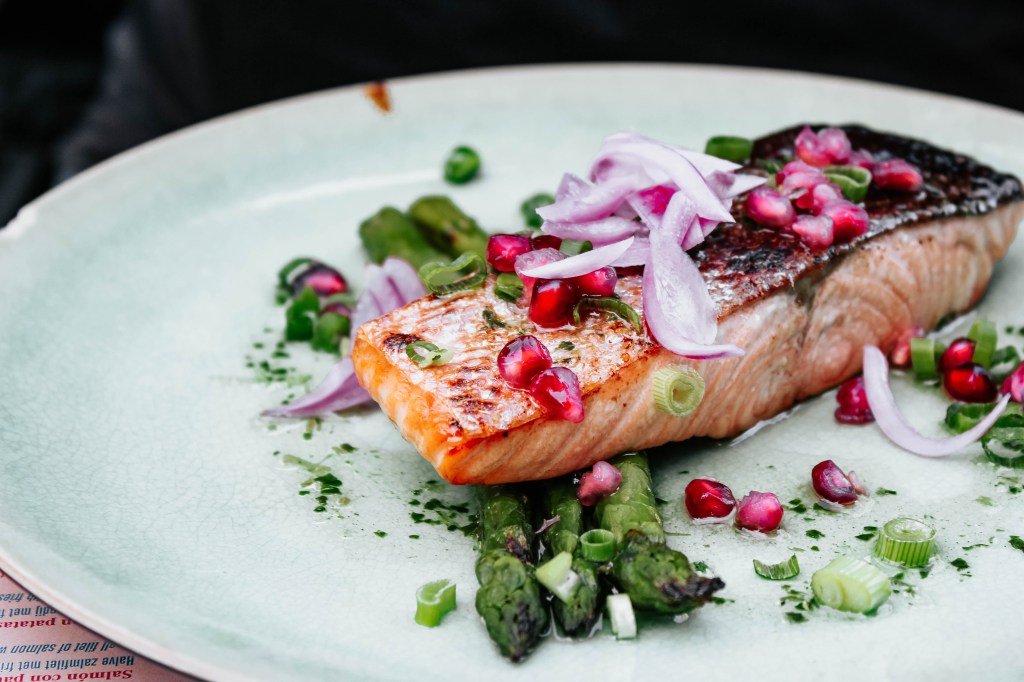
- Salmon with Vegetables: Baked or pan-seared salmon with a side of roasted broccoli, cauliflower, and asparagus, drizzled with olive oil.
Dessert (optional):
- Berries and Whipped Cream: A small serving of strawberries, raspberries, or blackberries with a dollop of unsweetened whipped cream.
Hydration:
Throughout the day, stay well-hydrated by drinking water, herbal tea, or unsweetened sparkling water.
Important Tips for Beginners:
- Stay Hydrated: Adequate water intake is essential, especially in the initial phase when you may experience increased urination.
- Mind Your Electrolytes: The keto diet can affect electrolyte balance. Consider adding a pinch of salt to your meals and consuming potassium-rich foods like avocados.
- Plan and Track: Use a food diary or a mobile app to track your macronutrient intake and ensure you’re within your keto ratios.
- Be Patient: It may take a few days to a couple of weeks for your body to adapt to ketosis. You might experience the “keto flu” with symptoms like fatigue and headaches, but they typically improve.
- Consult a Professional: If you have any health concerns or questions about starting the keto diet, consult a healthcare professional or registered dietitian.
This beginner’s keto meal plan is just a starting point. As you become more comfortable with the diet, you can customize your meals to suit your tastes and nutritional needs. Remember, keto is a lifestyle, not a quick fix, so enjoy the journey toward better health and well-being.
 Health N’ More
Leave a comment