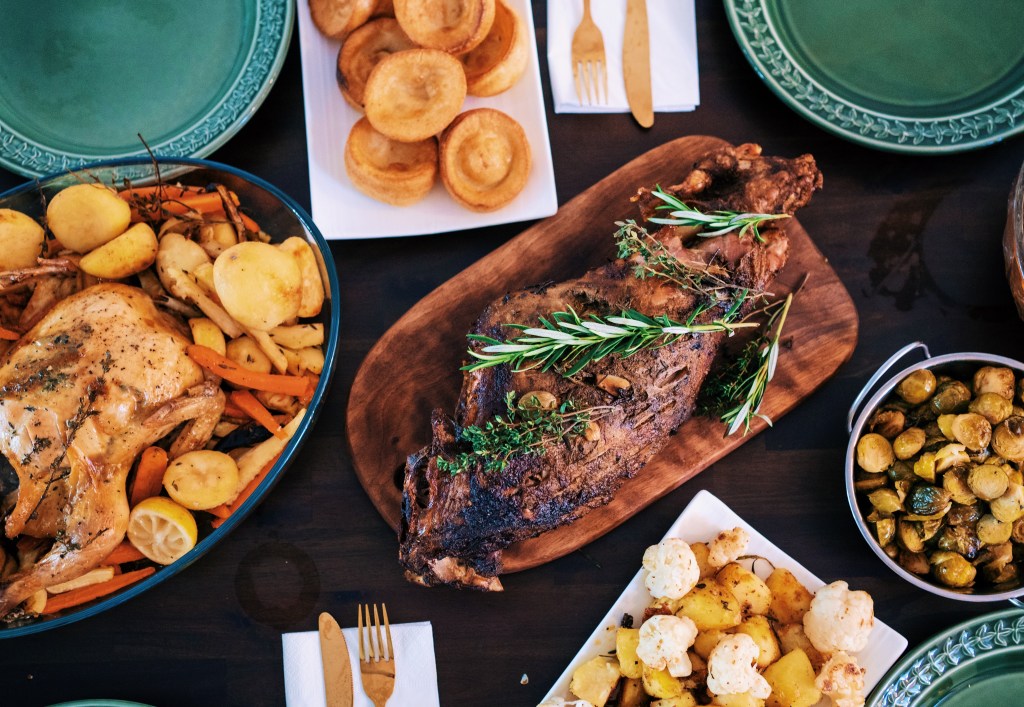
Introduction:
Powerlifting is a sport that demands incredible strength, and proper nutrition plays a crucial role in achieving peak performance. Whether you’re a competitive powerlifter or simply looking to get stronger, a well-structured diet can help you reach your goals. In this blog post, we’ll outline a sample powerlifting diet designed to support muscle growth, energy levels, and recovery.
Understanding Your Nutritional Needs:
Powerlifting places high demands on the body, requiring adequate fuel for strength and recovery. Here’s a breakdown of key nutritional components for a powerlifter’s diet:
- Protein: Essential for muscle repair and growth. Aim for about 1.2 to 2.2 grams of protein per kilogram of body weight.
- Carbohydrates: Provide energy for workouts. Complex carbs from whole grains, fruits, and vegetables should make up a significant portion of your diet.
- Fats: Healthy fats support overall health and can provide a steady source of energy. Aim for a balanced mix of monounsaturated and polyunsaturated fats.
- Calories: Ensure you’re in a slight caloric surplus to support muscle growth, but avoid excessive weight gain.
- Hydration: Staying well-hydrated is critical for performance and recovery.
Sample Powerlifting Diet:
Breakfast:
- Scrambled eggs with spinach and tomatoes
- Whole-grain toast
- A serving of Greek yogurt with berries
Lunch:
- Grilled chicken breast or tofu (for vegetarians) with quinoa
- Steamed broccoli and carrots
- A side salad with mixed greens
Pre-Workout Snack:
- Oatmeal with honey and a handful of almonds
Dinner:
- Baked salmon or a plant-based protein source
- Sweet potatoes
- Steamed asparagus or green beans
Post-Workout Shake:
- Protein shake with whey or plant-based protein, banana, and a spoonful of almond butter
Snacks (as needed):
- Greek yogurt with honey and nuts
- A piece of fruit
- A small handful of mixed nuts
Nutrition Tips for Powerlifters:
- Protein Timing: Consume protein before and after workouts to support muscle repair and growth.
- Carb Loading: Prioritize carbohydrates before training sessions to ensure you have ample energy.
- Micronutrients: Include a variety of colorful fruits and vegetables in your diet to get essential vitamins and minerals.
- Hydration: Drink water consistently throughout the day, and consider adding an electrolyte drink during intense training sessions.
- Recovery: A post-workout shake with protein and carbohydrates helps speed up recovery.
- Caloric Surplus: Ensure you’re consuming enough calories to support muscle growth without excessive fat gain.
Conclusion:
A well-structured powerlifting diet is the foundation of your strength training journey. Customization is key, as individual needs vary. Consult with a registered dietitian or nutritionist to create a personalized nutrition plan that aligns with your goals and keeps you strong and fueled throughout your powerlifting pursuits. Remember, the right nutrition can make all the difference in your powerlifting performance.
 Health N’ More
Leave a comment