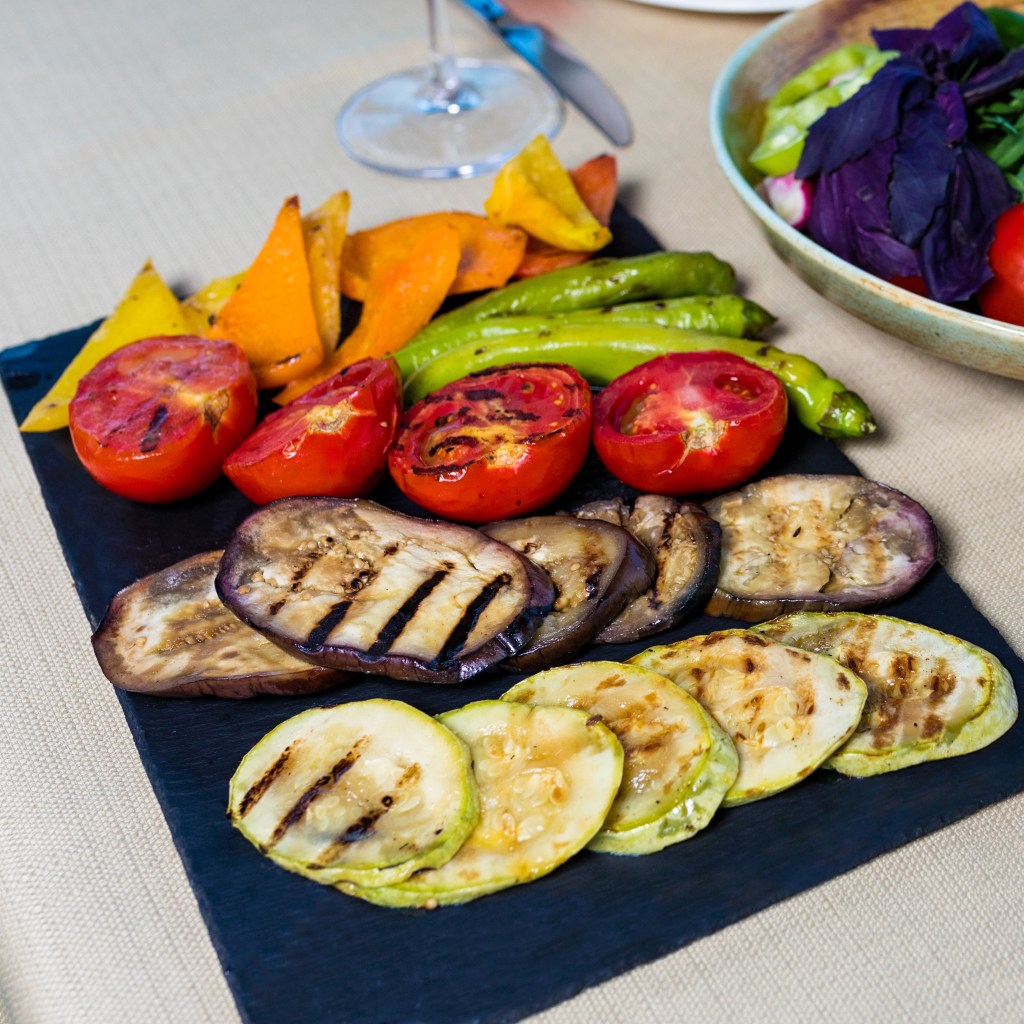
Introduction:
When it comes to vegetables, there’s a debate that has persisted for years: should you eat them raw or cook them? Both methods have their merits, and the choice often depends on personal preferences and health goals. In this blog post, we’ll explore the advantages and disadvantages of cooked and raw vegetables to help you make informed decisions about your diet.
Cooked Vegetables:
Advantages:
- Enhanced Nutrient Availability: Cooking can make certain nutrients more bioavailable. For example, lycopene in tomatoes and beta-carotene in carrots become easier for the body to absorb when vegetables are cooked.
- Easier to Digest: Cooking vegetables can break down the tough cell walls, making them easier to digest, which can be particularly helpful for people with sensitive digestive systems.
- Better Taste and Aroma: Cooking often enhances the flavor and aroma of vegetables, making them more appealing and palatable.
- Reduced Anti-Nutrients: Cooking can help reduce the levels of naturally occurring compounds in some vegetables that can interfere with nutrient absorption, such as oxalates in spinach.
Disadvantages:
- Loss of Water-Soluble Nutrients: Some water-soluble vitamins, like vitamin C and some B vitamins, are sensitive to heat and can be lost during cooking.
- Potential Overcooking: Overcooking vegetables can lead to a loss of nutrients and can result in a mushy texture, making them less appealing.
- Caloric Impact: Cooking with added fats, like butter or oil, can increase the caloric content of the meal, which may be a concern for those watching their calorie intake.
Raw Vegetables:
Advantages:
- Higher Vitamin C Content: Raw vegetables often have a higher vitamin C content than their cooked counterparts, as this nutrient is heat-sensitive.
- Lower Caloric Impact: Raw vegetables are generally lower in calories, making them an excellent choice for weight management.
- Fiber and Enzymes: Raw vegetables retain their natural fiber and enzymes, which can aid digestion and promote gut health.
Disadvantages:
- Digestive Challenges: Some individuals may find raw vegetables more challenging to digest due to their high fiber content, which can lead to bloating or gas.
- Nutrient Bioavailability: While some nutrients are more bioavailable in raw vegetables, others are less accessible without cooking.
- Risk of Contamination: Raw vegetables carry a higher risk of foodborne illnesses, such as E. coli or Salmonella, if not properly washed and handled.
Conclusion:
The choice between cooked and raw vegetables ultimately comes down to personal preferences and dietary goals. A well-balanced diet can incorporate both, as they each have their unique benefits. To maximize the nutritional benefits, consider a combination of cooked and raw vegetables in your daily meals. Whether you prefer the rich flavors of roasted vegetables or the crisp freshness of a salad, the key is to enjoy a variety of vegetables as part of a healthy and balanced diet.
 Health N’ More
Leave a comment