Introduction:
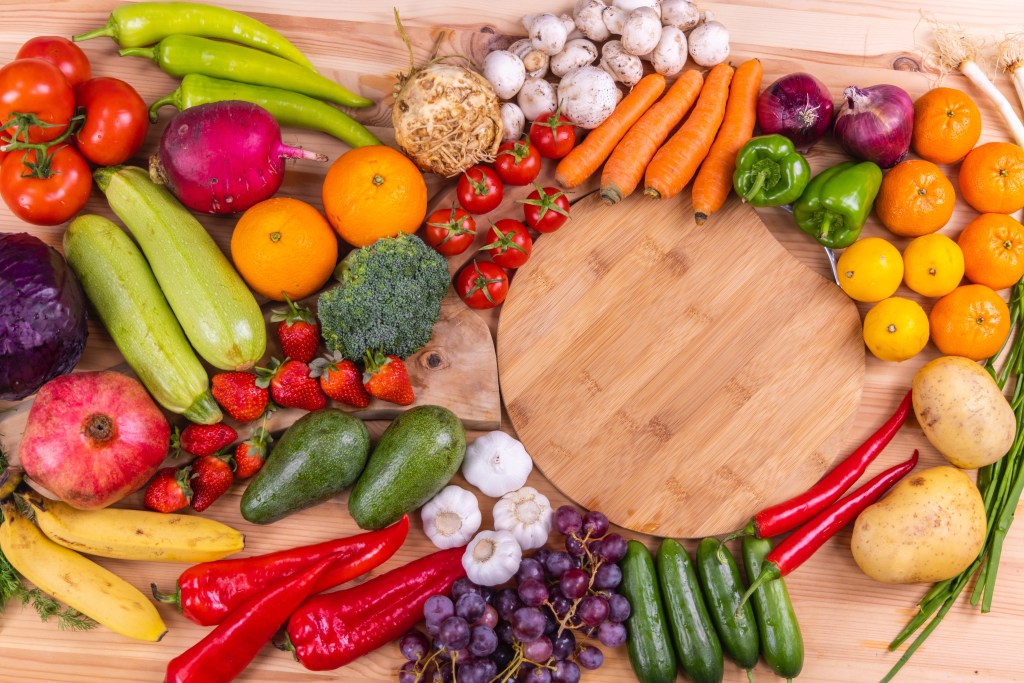
Vegetables are a crucial part of a balanced diet, providing essential nutrients, vitamins, and fiber. However, the form in which you consume them can significantly impact their nutritional value, taste, and convenience. In this blog post, we’ll compare fresh, frozen, and canned vegetables to help you make informed choices for your health and lifestyle.
Fresh Vegetables: Nature’s Bounty
- Nutrient Content: Fresh vegetables are often considered the gold standard for nutrient content. They are picked at their peak and contain a wide range of vitamins and minerals. However, nutrient content can diminish over time due to exposure to light, heat, and air.
- Flavor: Fresh vegetables tend to have a vibrant, natural flavor, especially if they are locally grown and in season.
- Texture: The texture of fresh vegetables is usually crisp and firm, which is appreciated in salads and raw dishes.
- Short Shelf Life: Fresh vegetables have a limited shelf life and need to be consumed quickly to prevent spoilage.
Frozen Vegetables: Nutrients on Ice
- Nutrient Retention: Frozen vegetables are often flash-frozen shortly after harvesting, which locks in their nutrient content. They can be just as nutritious as fresh vegetables, if not more so, as they retain their nutrients for longer.
- Convenience: Frozen vegetables are convenient and have a longer shelf life, making them a practical choice for busy individuals.
- Year-Round Availability: You can enjoy your favorite vegetables year-round, even when they are out of season.
- Texture and Flavor: While the texture and flavor of frozen vegetables can be slightly different from fresh, they are still quite appealing in various recipes.
Canned Vegetables: A Pantry Staple:
- Long Shelf Life: Canned vegetables have the longest shelf life among the three options, making them ideal for emergency food storage and convenience.
- Convenience: Canned vegetables are ready to use and require no prep, which can save time in the kitchen.
- Nutrient Loss: The canning process may lead to some nutrient loss, especially water-soluble vitamins like vitamin C. However, they still retain many nutrients.
- Sodium Concerns: Some canned vegetables can be high in sodium. Opt for low-sodium or no-salt-added versions if you are concerned about sodium intake.
Making Informed Choices:
- Variety: Incorporate a mix of fresh, frozen, and canned vegetables into your diet to enjoy a variety of flavors and nutrients.
- Storage and Lifestyle: Consider your lifestyle and storage capabilities. If you have limited time for meal prep, frozen and canned options may be more practical.
- Cost: Fresh vegetables can be more expensive, especially when out of season. Frozen and canned varieties are usually more budget-friendly.
- Nutrient Goals: If specific nutrients are a priority, be aware of the nutrient content and potential losses in each form.
Conclusion:
Whether you choose fresh, frozen, or canned vegetables, each option has its own set of advantages. The key is to strike a balance that fits your lifestyle, dietary goals, and taste preferences. By making informed choices, you can continue to enjoy the health benefits and delicious flavors that vegetables provide, all year round.
 Health N’ More
Leave a comment