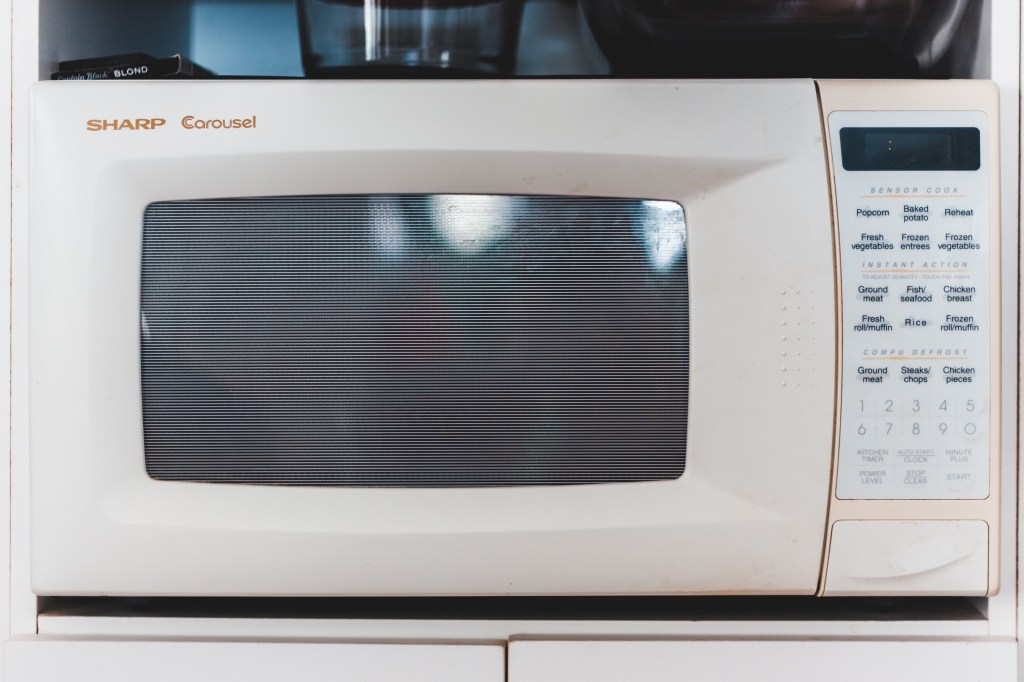
Introduction:
The microwave oven, a ubiquitous kitchen appliance, has revolutionized the way we prepare and reheat our meals. While it’s a convenient tool, there’s often curiosity and even some skepticism about how microwaves affect the nutritional content, taste, and overall quality of our food. In this blog post, we’ll dive into the science behind microwaves and explore their impact on the foods we love.
The Basics: How Microwaves Work
- Microwaves in Action: Microwave ovens use electromagnetic waves (microwaves) to generate heat within the food. These waves excite water molecules, creating friction and generating heat that cooks or reheats the food.
- Speed and Efficiency: Unlike conventional ovens, microwaves heat food from the inside out. This results in faster cooking times and can be more energy-efficient.
Nutritional Impact: Does Microwaving Affect Nutrients?
- Preserving Nutrients: Microwaving is generally considered a gentler cooking method compared to boiling or frying. Shorter cooking times and minimal use of water can help preserve the nutritional content of food, including vitamins and antioxidants.
- Sensitive Nutrients: While microwaving can retain more nutrients, it’s worth noting that some heat-sensitive nutrients, like vitamin C, may still experience slight degradation. However, the overall impact is often less compared to other cooking methods.
Taste and Texture: The Microwave Factor
- Texture Considerations: Microwaving can sometimes affect the texture of certain foods. Breads and pastries may become soggy, and meats may lose some crispiness. Properly covering or using microwave-safe containers can help mitigate these issues.
- Flavor Retention: Microwaving is known for retaining the natural flavors of food. It doesn’t introduce additional flavors or alter the taste profile as much as other methods might.
Safety Concerns: Are Microwaves Safe for Food?
- Uniform Heating: One of the advantages of microwaving is its ability to provide relatively uniform heating. However, it’s essential to follow proper guidelines for stirring and rotating food to ensure even cooking.
- Plastic and Microwaving: While microwaving in plastic containers is common, it’s crucial to use only containers labeled as microwave-safe. Some plastics may release harmful chemicals when heated.
Conclusion: The Microwave’s Place in Your Kitchen
The microwave has earned its place as a convenient and efficient kitchen companion. It offers a quick solution for busy individuals and families, making meal preparation and reheating a breeze. While there may be some considerations regarding texture and flavor, microwaving generally stands out for its ability to retain nutrients and preserve the natural taste of food. As with any cooking method, moderation and proper practices are key to maximizing the benefits of this magical box in your kitchen. Embrace the convenience, but always keep an eye on maintaining a balance in your culinary endeavors.
 Health N’ More
Leave a comment