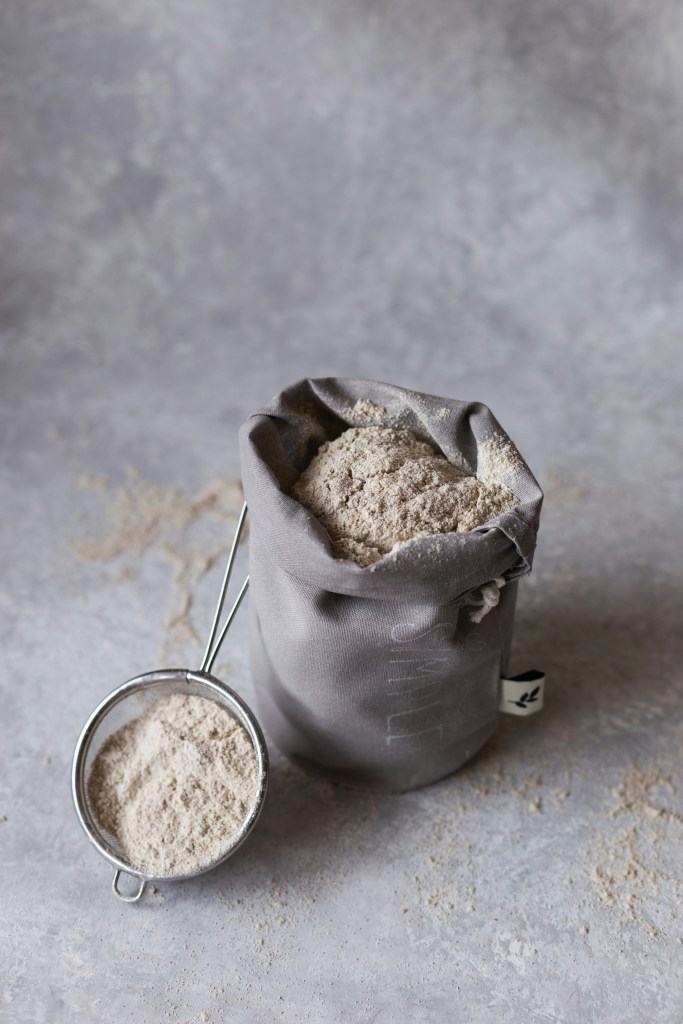
Introduction:
In the realm of baking and cooking, the choice of flour can significantly impact the taste, texture, and nutritional profile of your creations. For those seeking alternatives to traditional all-purpose flour, there’s a diverse world of options that cater to various dietary preferences and offer unique flavors. Let’s delve into the realm of flour alternatives and discover the exciting possibilities they bring to the kitchen.
- Almond Flour:
Almond flour, made from ground almonds, is a popular gluten-free option that imparts a subtly sweet and nutty flavor to baked goods. Rich in healthy fats and low in carbohydrates, almond flour is a versatile choice for everything from cookies to pancakes. - Coconut Flour:
Derived from dried coconut meat, coconut flour is a high-fiber, gluten-free alternative. It absorbs liquid well, contributing a light and airy texture to baked goods. The slight coconut flavor pairs exceptionally well with tropical or chocolatey recipes. - Oat Flour:
Oat flour, milled from whole oats, adds a heartiness and nutritional boost to your creations. It’s a great source of fiber and imparts a mild, oat-like flavor. Ideal for muffins, pancakes, and cookies, oat flour is a wholesome choice for those looking to incorporate whole grains. - Buckwheat Flour:
Despite its name, buckwheat is not related to wheat and is naturally gluten-free. Buckwheat flour has a distinctive, earthy flavor and works well in pancakes, noodles, and various baked goods. It’s also rich in essential nutrients like magnesium and antioxidants. - Chickpea Flour (Gram Flour):
Commonly used in Indian and Middle Eastern cuisines, chickpea flour is a protein-packed option with a slightly nutty taste. It’s an excellent choice for savory dishes, such as socca (chickpea flatbread) or as a thickening agent in soups and stews. - Tapioca Flour:
Tapioca flour, derived from the root of the cassava plant, is prized for its smooth texture and neutral taste. It’s often used as a thickening agent and can contribute to a chewy texture in gluten-free baking, making it an essential component in various recipes.
Conclusion:
Exploring flour alternatives opens up a world of culinary creativity, allowing you to cater to specific dietary needs or simply infuse new flavors and textures into your favorite recipes. Whether you’re embracing almond flour for its nutty richness or experimenting with chickpea flour for its protein punch, these alternatives showcase the versatility and diversity that can elevate your culinary creations to new heights. Next time you’re in the kitchen, consider reaching for a flour alternative and embark on a flavorful journey beyond traditional all-purpose flour.
 Health N’ More
Leave a comment